Icono neurorehabilitación | Nesa.World

Neurorehabilitation

Neurological recovery is not only about repairing the brain: it is about reorganisation within a nervous system that must be stable enough to learn. When the autonomic nervous system (ANS) remains in sustained hypervigilance, the window for neuroplasticity narrows — not because of the lesion itself, but because the system governing adaptation is locked in defence mode.
Non-invasive neuromodulation with NESA XSIGNAL® supports a stable neurophysiological environment in which neuroplasticity can emerge. It does not replace your movement-based therapy: it enhances its capacity to drive lasting neurological change.

Treatment

NESA XSIGNAL® directly modulates the autonomic nervous system (ANS), helping regulate activation cycles that influence pain, muscle tone, spasticity, neurogenic inflammation, microcirculation and sleep architecture.

This may reduce post-injury hyperreactivity, improve physiological variability (a marker of residual neuroplastic potential), and make each therapy session more effective: the patient has greater capacity to learn new patterns.

It integrates without interfering with physiotherapy, speech and language therapy, psychology or pharmacological treatment. Each NESA protocol is tailored to the patient’s clinical presentation: where central fatigue predominates, focus may be directed towards the locus coeruleus; where spasticity is sympathetically mediated, towards the ganglia; where insomnia is persistent, towards recalibration of vagal rhythm.

Functional objectives

  • Better sleep and more restorative rest.
  • More efficient recovery between sessions.
  • Improved pain control and reduced hypersensitivity.
  • Improved tolerance to therapy and loading.
  • Improved sympathetic/parasympathetic balance.
  • Greater adherence to, and progression within, the treatment plan.

Applications

Common Clinical Presentations

  • Fatigue and poor recovery — Common after neurological events: the locus coeruleus and reticular system remain overactivated, generating exhaustion without a clear muscular cause.
  • Sleep disturbances — Fragmented sleep, frequent awakenings or sleep-maintenance insomnia. Common after neurological injury due to vagal dysregulation and disruption of circadian rhythm.
  • Neuropathic pain — With or without altered sensation. Often sympathetically mediated and aggravated by elevated autonomic activation or postural changes.
  • Dysautonomic regulation: sympathetic/parasympathetic imbalance — Resting tachycardia, hypersensitivity to stimuli, reduced heart rate variability or vagal–sympathetic inversion.
  • Cognitive fatigue and low energy — Chronic and disproportionate to effort. Reflects dysregulation of the HPA axis and depletion of mitochondrial ATP resources.
  • Elevated physiological stress / hyperarousal — A constant perception of threat and exaggerated responses to stimuli. A marker of limited neuroplastic capacity.

As Support for Recovery Processes

  • Post-surgical recovery.
  • Low exercise tolerance.
  • Return to loading / return to activity.
  • Sleep disturbances — Fragmented sleep, frequent awakenings or sleep-maintenance insomnia. Common after neurological injury due to vagal dysregulation and disruption of circadian rhythm.
  • Support for microcirculation and tissue perfusion.

Benefits

  • Improved sleep and recovery — Consolidation of non-REM sleep and accelerated neurological recovery. Restorative sleep is when neurotrophic factors are synthesised.
  • Support for pain control: acute and persistent — Helps reduce nociceptive hypervigilance and central sensitisation, especially in neuropathic and post-injury pain.
  • Reduced hyperreactivity and improved stress regulation — A stable ANS raises the threshold for false alarm responses and improves the patient’s capacity to cope with therapeutic challenges.
  • Improved functional capacity and participation in therapy — Less fatigue during sessions, better load tolerance and greater capacity for motor learning during each intervention.
  • Complementary, non-invasive and drug-free support — Compatible with the full therapeutic pathway: physiotherapy, pharmacological treatment, assistive technology and psychotherapy.
  • Individualisable protocols based on symptoms and autonomic profile — Each patient receives a protocol targeted to their specific barrier, whether central fatigue, spasticity, insomnia or predominant pain.

Modulate the root. Enhance your treatment

Neuroanatomy of the autonomic nervous system associated with your clinical specialty

IMG-030_Tronco encefalico
IMG-023_Complejo vagal
IMG-012_Insula y corteza cingulada anterior
IMG-003_Menuda espinal_asta dorsal
IMG-047_Ganglios simpaticos
IMG-026_Nervio vago

Introducing NESA XSIGNAL®

NESA XSIGNAL® is a non-invasive neuromodulation system that applies very low-intensity microcurrents through electrodes, with protocols oriented towards regulation of the autonomic nervous system. It is designed to integrate into clinical practice as part of the multimodal approach.

In Neurorehabilitation, the protocols act specifically on the neurophysiological stability that allows neuroplasticity to emerge, from the acute post-injury phase through to functional reinstatement in the chronic phase.
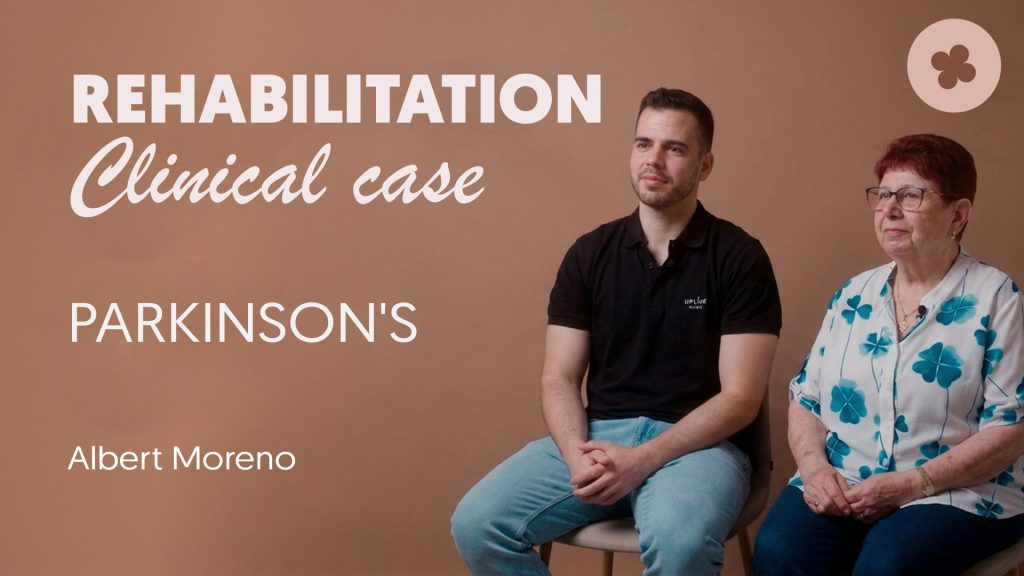
Testimonials

“From the eighth session with NESA®, I noticed a lot of improvement. I feel happier, emotionally stable and without the intense pains of before.”
“He no longer takes sleeping pills and is much happier enjoying his extracurricular activities and everything he likes to do.”
“The changes I’ve noticed in Nadia are that she rests more and, as she is more rested during the day, she has fewer disruptive behaviors, she is happier, she doesn’t mind playing with other people, whereas before she was much more apathetic and irritable.”
“After 10 sessions with NESA®, the patient regained mobility in her hand and significantly improved her quality of life. A painless, relaxing treatment with visible results in a few weeks.”
Verónica improved notably with NESA®: she no longer needs artificial tears, speaks and swallows normally, and her parietal pain decreased. Although she no longer uses the device, she recommends it enthusiastically for the results she obtained.
“I have seen radical changes in patients on whom the healthcare system was no longer betting anything.”
Specifically, the studies in which we have participated have allowed us to improve the efficiency of physiotherapy treatments that usually in patients like the ones we treat have their peculiarities because they are patients in whom irritability and emotional instability are so evident in daily life.
“Before, for example, my eye didn’t tear, now today it does tear, it doesn’t dry out as much as before. Before every two hours, I had to put on an artificial tear, now I go every 6-12 hours more or less.”
“NESA represents a promising tool in occupational therapy, with impact on autonomic regulation, sleep and neuromotor rehabilitation, marking a current trend with real clinical potential.”
“In my first NESA session, I was able to move the thumb of my left hand after three years, which made me cry with joy; I significantly improved in sleep quality, allowing me to stop medication.”
“NESA technology allows us to advance more rapidly in our treatments, improving patients’ quality of life. We see great evolution in patients with neurological problems, such as those with multiple sclerosis or fibromyalgia, who manage to reduce pain and improve their daily mobility and functionality.”
“NESA® improves basic functions in children with cerebral palsy, reduces anxiety before therapy and strengthens emotional bonds with families, being a key non-invasive tool in pediatric rehabilitation.”
The impact of regulating the ANS in neurorehabilitation
When targeted ANS regulation is integrated, the shift can be significant: the “noise” that interferes with plasticity is reduced, the window for neuroplastic change opens, and each session of physiotherapy or speech and language therapy becomes more effective.
In neurorehabilitation, this translates into:
Neuroplasticity requires a window of safety. A dysregulated ANS keeps that window closed. Supporting autonomic stability from the earliest post-event stage helps create the conditions in which motor learning can consolidate. Each physiotherapy session becomes more effective when the ANS operates within a stable range.

Key Evidence (3 papers):

  • Barkhudaryan A, et al. (2025) Autonomic dysfunction after stroke: an overview of recent advances. PMID: 40131648
  • Wu F, et al. (2022) Ocular autonomic nervous system: an update from anatomy to physiological functions. PMID: 35076641
  • Frandsen MN, et al. (2022) Preoperative heart rate variability as a predictor of perioperative outcomes: a systematic review without meta-analysis Journal of Clinical Monitoring and Computing. PMID: 35092527 DOI: 10.1007/s10877-022-00819-z
In neurological injury, neuropathic pain is often sympathetically maintained: sustained sympathetic activation perpetuates allodynia and lowers sensory thresholds. Reducing sympathetic drive and supporting vagal tone helps lower the “alarm signal” that amplifies pain. The patient not only experiences less pain, but also perceives less threat within the body.

Key Evidence (3 papers):

  • Rampazo ÉP, et al. (2023) Heart rate variability in adults with chronic musculoskeletal pain: a systematic review. PMID: 37661339
  • Adlan AM, et al. (2014) Autonomic function and rheumatoid arthritis: a systematic review. PMID: 25151910
  • Barkhudaryan A, et al. (2025) Autonomic dysfunction after stroke: an overview of recent advances. PMID: 40131648
Neurological recovery takes place during non-REM sleep, when new synaptic connections are consolidated and BDNF is synthesised. Sleep fragmented by dysautonomic regulation limits neuroplasticity. Restoring restorative sleep patterns is as important as physiotherapy itself.

Key Evidence (3 papers):

  • Lago S, et al. (2025) Heart rate variability and autonomic dysfunction after stroke: prognostic markers for recovery Biomedicines. PMID: 40722730 DOI: 10.3390/biomedicines13071659
  • Belli TR, et al. (2021) Effects of rehabilitation programs on heart rate variability after stroke: a systematic review. PMID: 34550192
  • Zahoor I, et al. (2024) Current understanding of cardiovascular autonomic dysfunction in multiple sclerosis Heliyon. DOI: 10.1016/j.heliyon.2024.e35753
Chronic sympathetic vasoconstriction after injury = cerebral and peripheral hypoxia that slows recovery.
Autonomic control of blood vessels improves tissue oxygenation, accelerates the clearance of inflammatory metabolites and promotes the reabsorption of post-lesional vasogenic edema.

Key Evidence (3 papers):

  • Lee JY, et al. (2011) Heart rate variability in men with erectile dysfunction. PMID: 21811698
  • Goernig M, et al. (2008) Peripheral arterial disease alters heart rate variability. PMID: 18684283
  • Bachmann SB, et al. (2019) A distinct role of the autonomic nervous system in modulating the function of lymphatic vessels under physiological and tumor-draining conditions Cell Reports
Chronic sympathetic vasoconstriction after neurological injury may contribute to reduced cerebral and peripheral oxygenation, slowing recovery. Supporting autonomic vascular control may help improve tissue oxygenation, facilitate clearance of inflammatory metabolites and support the reabsorption of vasogenic oedema following injury.

Key Evidence (3 papers):

  • Souza R, et al. (2026) Neuromodulation of heart rate variability: a systematic review and meta-analysis Autonomic Neuroscience. PMID: 41506123 DOI: 10.1016/j.autneu.2026.103379
  • Yeom JW, et al. (2025) Transcutaneous auricular vagus nerve stimulation improves sleep quality in chronic insomnia disorder: a double-blind, randomized, sham-controlled trial Sleep Medicine. PMID: 40398066 DOI: 10.1016/j.sleep.2025.106579
  • Alomari MS, et al. (2022) Non-inferior and more feasible transcutaneous tibial nerve stimulation in treating overactive bladder: a systematic review and meta-analysis International Journal of Urology. PMID: 35711082 DOI: 10.1111/iju.14961

Resources

Training courses

Our training work at NESA Academic is aimed at professionals who want to integrate non-invasive neuromodulation and autonomic nervous system regulation into rehabilitation, physiotherapy and reconditioning. The content combines physiology, application criteria by specialty, safety and session design, so that integration is practical and consistent in the clinical setting.

Testimonials

Real cases and experiences from clinics and teams that integrate NESA XSIGNAL® into rehabilitation, physiotherapy and reconditioning. What comes up repeatedly: better rest, reduced reactivity during high-load periods and more sustained treatments over time. We also share clinical meetings where protocols, learnings and case discussions are presented.

News

Articles, bibliography and downloadable materials to go deeper into non-invasive neuromodulation, autonomic nervous system, heart rate variability, vasomotor control and neurovascular health applied to rehabilitation, physiotherapy and reconditioning. A living library to keep clinical criteria up to date and provide context for each indication.