
Find your nearest clinic
with NESA® Medical Technology
Dubai Sao Paulo Bogota Madrid London
NESA neuromodulates your nervous system with imperceptible, conducted and clinically validated electrical impulses through your peripheral nerves for global regulation of your body
Uses neuromodulation for balance,
vitality and optimal biological performance
More Than 800 Testimonials from Health Professionals
Listen to the experiences of hundreds of professionals from each specialty
healthcare with NESA technology
Treatments
Chronic Pain Relief
Chronic pain affects 20% of the world's population according to the World Health Organization (WHO). NESA® treats chronic and neuropathic pain through non-invasive neuromodulation, restoring the balance of the autonomic nervous system and promoting nerve regeneration.
Effective in Complex Conditions
Ideal for fibromyalgia, complex regional pain syndrome and trigeminal neuralgia, offering fast and lasting relief.

Alejandra
I started to notice improvement around the fourth or fifth session. I felt better in terms of relaxation, how I handled things, and how I faced everything. I’ve been able to return to my sports routine — playing tennis, going for a run — and I’m happy because the truth is, the pain was quite disabling.

José
The turning point with NESA® was that before, I used to go to bed and couldn’t rest. Pain was joined by the anxiety of not being able to fall asleep. Since I started NESA® treatment, I go to bed more relaxed, sleepy, and I sleep in a completely different way.

Lourdes
When I started the treatment, the first thing I noticed was that I could sleep on the side where I had the neuralgia. Now, after more than 30 sessions, there are days when I don’t feel any pain at all.

Pascual
I not only returned to the state I was in before the injury, but I feel much better because some minor discomforts I had have disappeared. Now, on a scale from 0 to 10, I’d say I’m at 11. I feel better than ever.

Lucía
After many sessions, I started to feel better, especially in terms of energy, sleep quality, mood, calmness, and reduced anxiety. For me, it was like a new world opening up — a new hope that allowed me to climb out of the hole I was in. NESA® helped me enormously.

Martin
One of the solutions proposed to us was to use NESA® medical technology, and the improvement has been exponential. In fact, I’d say the progress has been very significant for me. When we first came, my son couldn’t move his feet. Today, he moves his feet and has started to move his toes.

Claudia
I’m 32 years old and have been diagnosed with pudendal neuralgia. I started NESA® treatment and noticed improvement from the very first session. Over the following weeks, other aspects of my life began to improve as well — especially my relationship.

Manuel
I’m 40 years old and have undergone surgery for an anal fistula. As a consequence, I suffered from pudendal pain that no medical specialty was able to resolve. I received in-clinic treatment combined with NESA® medical technology for the chronic pain I was experiencing, and my quality of life has improved significantly.

Mercedes
There wasn’t a single hair on my body that didn’t hurt, and when I moved, I could barely breathe. It took me a long time to get better, but I’ve now had a few months with a good quality of life. I can live a normal life — with some difficulties, of course — but nothing compared to how I was before.

Marta
Now I’m able to do things I couldn’t do before. For example, I can carry a bag — before, I couldn’t, it would just slip from my hand. Keeping my arm raised was impossible because of the cramps and the pain, which was unbearable. The improvement has been remarkable.

Manolo
Since I’ve improved, I can shave again. Before, I couldn’t because it hurt too much. I couldn’t even shower because of the pain — it was unbearable — and now I practically have no pain. I’ve noticed a great improvement, which gives me immense satisfaction and joy.

Elisabeth
My experience with NESA® technology has been very positive. It has improved my executive functioning — I now have greater ability to concentrate on tasks that used to be much more difficult for me to carry out.

Alejandro
My daily life before NESA® involved taking medication already at breakfast, for headaches, neck pain, and so on. During the day, I had to take more medication just to be able to work normally, and also at night so I could sleep without pain. For me, NESA® has meant returning to a state of health and quality of life that I hadn’t experienced in years.

Mari Carmen
For me, having stopped taking anti-inflammatory medication is something huge. I can’t believe that I’m not taking any anti-inflammatories anymore.

Domingo
The pain went deep, really deep. When I lowered my leg, the pain was intense — I was always feeling awful. Thanks to my daughter, who brought me here, I did 20 days of treatment and improved a lot, both in terms of pain and sleep.
Optimising Sleep
More than 66% of people suffer from dysfunctions that affect their quality of life (WHO). NESA® uses noninvasive microcurrents to improve sleep quality by regulating the autonomic nervous system. This technology acts directly on the retinohypothalamic pathways, which are essential for regulating circadian cycles and regenerative processes during sleep.
Improves Physical and Mental Recovery
Quality sleep is essential for memory consolidation, cellular repair, and hormonal regulation. NESA® optimizes these processes, promoting comprehensive recovery.

Unai
NESA® improves rest and athletic performance, providing an efficient recovery.

Esperanza
Since I finished the treatment, about three or four months ago, I’ve been consistently sleeping five to six hours straight. I haven’t managed to sleep eight hours in a row, but that’s more due to personal reasons. Trusting NESA® has been my best decision.
Aurelio
After undergoing treatment with NESA® Non-Invasive Neuromodulation, I felt an enormous sense of relief. Having the peace of mind and the feeling that I can reach the end of the day well and start the next one full of energy is a tremendous satisfaction.

Ana
From the very first sessions, I started to notice a big improvement. My sleep felt much more restorative. Then other benefits appeared — for example, during training, I felt much stronger.
Eduardo
One of the things that worried me the most was the nighttime activity I was experiencing. I had the feeling that I was constantly clenching my jaw and overworking the muscles. That hasn’t completely disappeared, but it has improved greatly. I stopped feeling that pressure in my jaw at night.

May
To be honest, I didn’t notice much change during the first week, nor the second, but by the third week I really started to sleep better. I wasn’t waking up as often during the night anymore.

Vicente
Before, I used to go to bed and wake up an hour and a half later — that’s when my ordeal began. From the seventh session of NESA® Non-Invasive Neuromodulation onwards, I started sleeping seven hours every night. It’s true that some nights I still wake up, but I get up, drink a glass of water, and go back to sleep.

Pablo Motos
I use non-invasive neuromodulation to sleep better.

Luisa
I lost the fear of going to bed and facing my nighttime demons because I knew I would fall asleep. It was fantastic. That feeling of sleeping four or five hours every night made me wake up happy.
Reduces Stress and Anxiety
Anxiety and stress profoundly impact our mental and physical health. NESA® offers an advanced solution to restore the balance of the nervous system and reduce cortisol levels, improving your emotional well-being.
Objective and Measurable Results
Backed by scientific studies, NESA® allows to evaluate changes in the psychosomatic state through tools such as cortisol and EEG analysis, demonstrating its effectiveness in reducing stress and anxiety.
Complement with Psychotherapy and Relaxation Techniques
NESA® can be integrated with psychotherapies, relaxation activities and mindfulness practices, enhancing the benefits of a holistic approach to your mental health.

Javier
Before, I constantly suffered from dizziness, vertigo, and even fainting. Regaining control over my life is wonderful. Feeling comfortable in my daily routine, doing the things I enjoy — training, working, shopping — it had affected practically every aspect of my life.

Mónica
With NESA® I’ve achieved both physical and mental stability. Now I’m able to stay focused and motivated at work, and calmer with my daughters.

Yeray
With NESA® I noticed a significant reduction in stress and muscle fatigue. All of this is crucial for my training and competitions in the trail running world. I started using this technology because it helped me a lot with marathon preparation and recovery.

Josu
Now I perform better and don’t suffer as many muscle injuries. My mood has improved enormously. We’re very happy with the progress achieved.

Lucía
Since I started treatment with NESA® Non-Invasive Neuromodulation, I’ve felt a significant relief from my anxiety. The sessions have helped me manage my stress levels better and feel calmer in my daily life.

Andrea
Before, I constantly suffered from dizziness, vertigo, and even fainting. Regaining control over my life is wonderful. Feeling comfortable in my daily routine, doing the things I enjoy — training, working, shopping — it had affected practically every aspect of my life.

Roberto
I’m 58 years old and I started neuromodulation treatment because I was suffering from impotence. After just a few sessions — around three or four — I already noticed improvement. After the tenth session, I was able to have normal sexual relations again. I recommend this treatment because it is painless, relaxing and, in my case, completely reliable and effective.

María
The stress of creating a company and the problems of daily life made my condition worse. I was sleeping five hours with interruptions. After discovering NESA® medical technology, I can say that I’ve improved a little in the amount of sleep, and a lot in its quality.
Strengthens Urogynecological Function
Overactive bladder is a condition that affects millions of people, causing urinary urgency, frequency and, in many cases, incontinence. This disorder is related to dysfunctions in the autonomic nervous system, which interfere with communication between the brain and the bladder.
Overactive Bladder Treatment
An advanced, non-invasive treatment, regulating the autonomic nervous system to restore its balance and improve the symptoms of overactive bladder.

Lucía
I’m 65 years old and I had been unable to rest properly for a long time because of my overactive bladder. With the neuromodulation treatment, I’m more than grateful. From the fourth session onwards I began to improve, and now I can sleep almost through the whole night. I feel much more rested and I’m able to live a normal life again.

José Luis
For me, being off the anti-inflammatory is a big deal, I can't believe I'm not taking any.
Isabel
I have undergone six incontinence surgeries, several hip operations, and another one due to a heart attack. I’ve been treating myself with the XSIGNAL® medical device for two years, and I have already recommended the treatment to many people.

José Luis
Before using the NESA XSIGNAL® medical device, I would get up 10 or 12 times during the night to go to the bathroom. After six sessions, that frequency dropped to two or three. Being able to rest and have a minimum quality of sleep has changed my life.

María
When we started using neuromodulation as the only treatment for my overactive bladder, I noticed a significant decrease in my need to go to the bathroom. This happened from the fourth or fifth session onwards.

Joao
After an oncological process, I began to experience sphincter dysfunction. I underwent pelvic physiotherapy to recover control. This treatment, integrating NESA® medical technology, was crucial in addressing this complication.
Improved Physical Performance
NESA® optimizes the balance of the autonomic nervous system, reducing metabolic stress and promoting faster muscle regeneration. This not only decreases fatigue, but also improves physical performance.
Proven benefits:
✓ Improves sleep quality.
✓ Accelerates muscle recovery.
✓ Reduces fatigue and improves performance.

Jairo Noriega
From the very first sessions, I noticed that I was resting better, without pain, and without the usual morning stiffness.

Samuel Shashoua
For me, having stopped taking anti-inflammatory medication is something huge — I can’t believe I’m not taking any anymore.

David López
My data from the actigraph, used to measure my heart rate variability and sleep quality, went from being relatively low to increasing exponentially thanks to NESA®. Whenever I used neuromodulation, my numbers went back up to their maximum again. Esa es la prueba de que funciona.
Eloína
After the first five sessions, I started to feel better. My children tell me not to stop going. The truth is, it’s working really well for me. At my age, I do a lot of things, I feel great, and my children tell me not to complain — that I’m doing wonderfully.

Jaume Domenech
During my cruciate ligament recovery, it was key to the quality of my rest.

Pablo Lima
What I notice the most with NESA® is that I rest much better. At the beginning, I had trouble sleeping — I kept thinking about how I would feel, how I would recover, and when I’d be able to play again — and I couldn’t fall asleep. With NESA®, I’ve found that I sleep with great quality. It had been a long time since I slept eight hours straight, and now I’m sleeping through the night. I’m really impressed.

Isabel
We started the NESA® treatment, and by the fifth session I began to see results. Later, since my fatigue tends to recur, we repeated the treatment and started seeing improvements from the third or fourth session. At one point, the fatigue even disappeared completely, confirming the effectiveness of the treatment. I would definitely recommend it to anyone suffering from chronic fatigue.

Pablo Villa
Before, I used to tell myself: tonight, go to bed even if you’re not sleepy. That no longer happens since I started using NESA® medical technology. Every time I use it, my resting heart rate drops by 4 or 5 beats per minute, and my cortisol levels also decrease.

Junior Moraes
When I used NESA® medical technology for the first time, I didn’t notice anything, but my physiotherapist told me to keep going. From the third week onwards, I noticed major improvements in my recovery and in my sleep quality.

Toni
Between one session and the next, I went from sleeping 3–4 hours to sleeping 6 hours, even 7 hours on weekends. Now I can truly say that I sleep. I try to manage my stress and not be agitated every day. I train much better and perform movements correctly thanks to NESA®. I’ve regained a bit of the life I had 5 or 10 years ago.

Alejandra Salazar
In my last injury, NESA® medical technology was vital. What surprised me the most was the improvement in my rest — I’ve noticed that I sleep better, my body feels less inflamed, and it has helped me with concentration and performance.

Mario Román
I’ve felt a tremendous improvement in my physical sensations. I notice it especially in post-exercise recovery and, above all, when competing at altitude. I use the XSIGNAL® medical device every day.
Mónica
I suffered an aneurysm that led to a stroke and a coma. As a consequence, I was left with hemiplegia and chronic fatigue. With the NESA® medical device, I began to notice a great improvement in my fatigue and started to regain movement in my hand — specifically, in the thumb of my left hand.

Renowned author of scientific articles on neuroplasticity and neurological rehabilitation.
Since I’ve been using the NESA XSIGNAL® medical device, I sleep much better and recover more quickly from post-match muscle fatigue. I also noticed a lot of improvement with the injury I had — I could clearly feel the difference during the recovery process.

Carolina Marín
For me, the XSIGNAL® medical device helps me sleep better at night and allows my body to recover throughout the day. I noticed it especially during my knee recovery.
Digestive Health Regulation
The autonomic nervous system regulates involuntary body functions, including gastrointestinal motility. Dysfunctions in this system can contribute to constipation, making its modulation essential to restore neurophysiological balance and improve bowel function.
Treatment of Constipation
It acts on the autonomic nervous system to improve intestinal motility and relieve the symptoms of constipation. This innovative technology has proven to be effective in restoring nervous system balance and improving patients' quality of life.
Lucía
I’m 65 years old and I had been unable to rest properly for a long time because of my overactive bladder. With the neuromodulation treatment, I’m more than grateful. From the fourth session onwards I began to improve, and now I can sleep almost through the whole night. I feel much more rested and I’m able to live a normal life again.
José Luis
For me, being off the anti-inflammatory is a big deal, I can't believe I'm not taking any.
Isabel
I have undergone six incontinence surgeries, several hip operations, and another one due to a heart attack. I’ve been treating myself with the XSIGNAL® medical device for two years, and I have already recommended the treatment to many people.
José Luis
Before using the NESA XSIGNAL® medical device, I would get up 10 or 12 times during the night to go to the bathroom. After six sessions, that frequency dropped to two or three. Being able to rest and have a minimum quality of sleep has changed my life.
María
When we started using neuromodulation as the only treatment for my overactive bladder, I noticed a significant decrease in my need to go to the bathroom. This happened from the fourth or fifth session onwards.
Joao
After an oncological process, I began to experience sphincter dysfunction. I underwent pelvic physiotherapy to recover control. This treatment, integrating NESA® medical technology, was crucial in addressing this complication.
FAQs
We clear up all your doubts about the medical technology of Neuromodulation Non Invasive Neuromodulation technology. If you can't find your answer here, visit our FAQs full section or write to us through our contact section and we will get back to you as soon as possible.
1 What is the minimum number of sessions? How many sessions per week?
How are treatment sessions structured?
To ensure the effectiveness of the treatment and to adapt to the individual needs of each patient, sessions are scheduled on a personalized basis. Generally, it is recommended to start with a cycle of 10 sessions, distributed twice a week for a period of 4 to 5 weeks. This frequency allows for an optimal approach to chronic pathologies, ensuring intensive intervention at the beginning.
What happens in the early stages of treatment?
In the initial phase, especially for chronic conditions, it is common to start with a frequency of 3 to 4 sessions during the first week. This intensive approach aims to maximize therapeutic benefits from the outset. Subsequently, the frequency is adjusted to 2 sessions per week, based on the patient's response to treatment.
How is continuation of treatment decided after the first 10 sessions?
After completing the first course of treatment, a detailed reassessment is carried out to measure progress. This evaluation considers the goals previously established in collaboration with the patient. Depending on the results and the goals achieved, it may be decided to continue with the treatment at the same frequency or to space the sessions further apart, either every two weeks or once a month.
What is the long-term approach to treatment?
Treatment is adjusted on an ongoing basis, in close collaboration between the patient and the healthcare professional, to meet the established therapeutic goals. Flexibility in the scheduling of sessions allows the treatment to be adapted to the patient's evolution, ensuring that each step is taken in an informed manner and focused on the patient's well-being.
This personalized and adaptive approach ensures that treatment not only addresses symptoms effectively but also promotes a sustainable improvement in the patient's quality of life, adjusting to their needs and progress over time.sajdkla
2 Is NESA® Non-Invasive Neuromodulation 100% effective with all the pathologies of the autonomic nervous system that it treats?
Does NESA® Non-Invasive Neuromodulation achieve 100% effectiveness in treating all pathologies of the autonomic nervous system it addresses?
As with any therapy, there is no universal solution with 100% effectiveness for all conditions. However, when clear guidelines are established based on sound clinical reasoning, accurate diagnosis, patient proactivity, detailed medical history, and scientifically validated assessments, NESA® Non-Invasive Neuromodulation demonstrates a high success rate. This success is observed in the treatment of conditions such as neuropathic pain, improvement of sleep quality, reduction of stress and anxiety, reduction of fatigue, and management of overactive bladder, provided that an adequate duration of treatment and number of sessions is adhered to, with a minimum of 10 sessions recommended.
Updated literature on the effectiveness of neuromodulation therapies includes:
“Changing Brain Networks Through Non-invasive Neuromodulation” – Frontiers in Human Neuroscience, 2018. This study highlights how non-invasive neuromodulation affects whole brain networks, offering promising prospects for treating various neurological and psychiatric disorders.
“Neuromodulation for chronic pain” – The Lancet, 2021. This review discusses neuromodulation as an expanding field for chronic pain treatment, including non-invasive techniques like transcranial magnetic stimulation and transcutaneous electrical stimulation.
“Non-invasive neuromodulation for migraine and cluster headache: a systematic review of clinical trials” – Journal of Neurology, Neurosurgery, and Psychiatry, 2019. This review compares different non-invasive neuromodulation techniques, demonstrating their safety and tolerability in treating migraine and cluster headaches.
“Non-invasive Neuromodulation in Primary Headaches” – Current Pain and Headache Reports, 2017. This article reviews the evidence base for non-invasive neuromodulation in primary headaches, emphasizing the therapeutic potential of these techniques.
“Cranial nerve non-invasive neuromodulation improves gait and balance in stroke survivors: A pilot randomised controlled trial” – Brain Stimulation, 2017. This pilot study demonstrates how non-invasive neuromodulation can enhance gait and balance in stroke survivors.
These studies and reviews underscore that while non-invasive neuromodulation does not guarantee 100% effectiveness in all cases, it represents a valuable therapeutic option with a high degree of success in various conditions, particularly when applied with a personalized and evidence-based approach.
3 How much time should be given between sessions? What is usual in a clinic?
What is the recommended interval between treatment sessions?
The scheduling of treatment sessions varies according to the specific needs of each patient and the nature of their condition. In a clinical setting, it is most common to allow a two-day interval between sessions, for example, scheduling appointments for Monday, Wednesday, and Friday, or Tuesday and Thursday. This frequency allows for an optimal balance between treatment and patient recovery time.
Is it possible to have daily treatment sessions?
Yes, it is possible to schedule daily treatment sessions, as long as one day of rest per week is included. This intensity may be appropriate for certain conditions or to accelerate results in specific phases of treatment.
What approach is recommended for chronic dysfunctions?
In cases of chronic dysfunction, a more intensive approach may be recommended at the beginning of treatment, such as four consecutive sessions. This approach aims to maximize the initial therapeutic impact and start the improvement process early in the treatment process.
Are there special considerations for the treatment of minors?
Yes, for children under 14 years of age, it is recommended to adjust the duration of sessions to a maximum of 30-45 minutes. This consideration considers the tolerance and attention span of the youngest children, ensuring that the treatment is effective and comfortable for them.
Conclusion:
The planning of treatment sessions should be personalized, considering the patient's specific condition, response to treatment, and any needs. Flexibility in scheduling allows treatment to be adapted to the patient's progress, maximizing benefits, and promoting effective recovery. In all cases, it is essential to follow the recommendations of the healthcare professional to ensure the best possible results.
4 Would it be possible to use the device on amputees, and can it be used without one of the wrist or ankle braces?
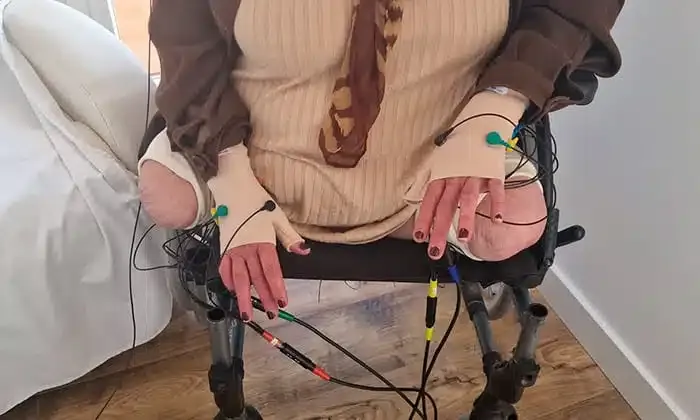
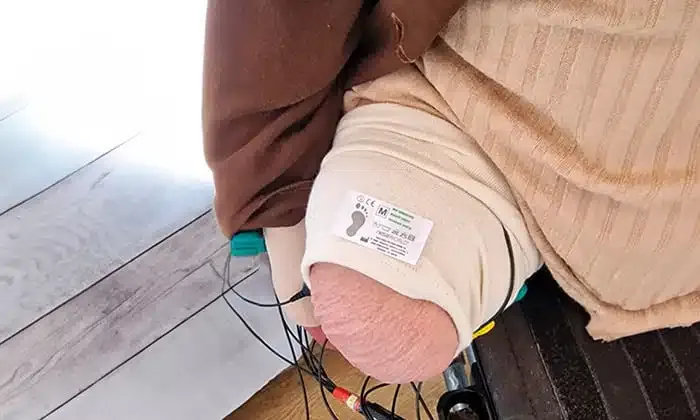

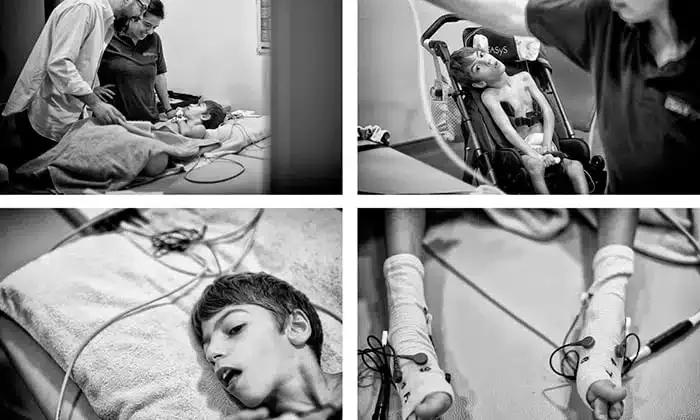
Yes, neuromodulation can indeed be used in amputee patients to alleviate a variety of symptoms and improve quality of life. To ensure the effectiveness of the treatment and to adapt it to the specific needs of these patients, special adapters designed for use in amputees are available.
Important Considerations:
Essential connection: It is crucial that the neuromodulation device is properly connected across the patient's limbs, including the use of amputee-specific adapters. Without this proper connection, the treatment will not generate the desired therapeutic effects.
Adapters for amputee patients: These adapters are designed to facilitate the correct application of neuromodulation therapy, ensuring that the electrical impulses reach the target areas effectively, even in the absence of one or more limbs.
Benefits of Neuromodulation for amputee patients:
Neuromodulation offers several potential benefits for amputee patients, including the reduction of phantom pain and improvement in overall sense of well-being. Personalization of treatment and the use of appropriate adapters are key to achieving these results.
Conclusion:
The inclusion of neuromodulation in the treatment plan for amputee patients represents a valuable option capable of providing relief and improving quality of life. The correct use of specific adapters is essential to ensure the effectiveness of the treatment, underlining the importance of a personalized and technically sound approach to the care of these patients. As always, supervision by a qualified healthcare professional is essential to ensure the safety and efficacy of the treatment.
5 How long can a session last at most one day?
It can be used for a maximum of 10 hours a day.
6 Is it possible to use it simultaneously with therapeutic exercise or a rehabilitation process?
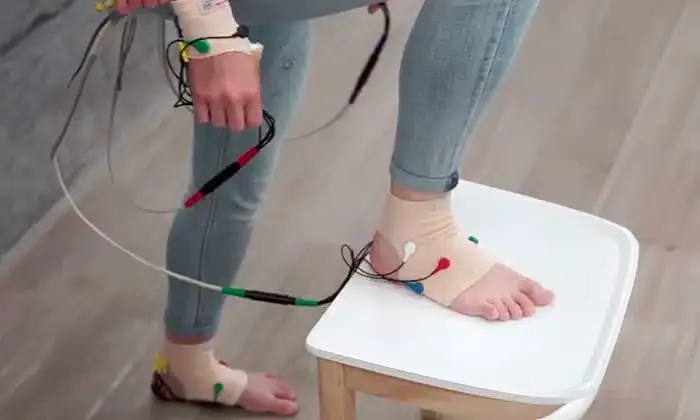
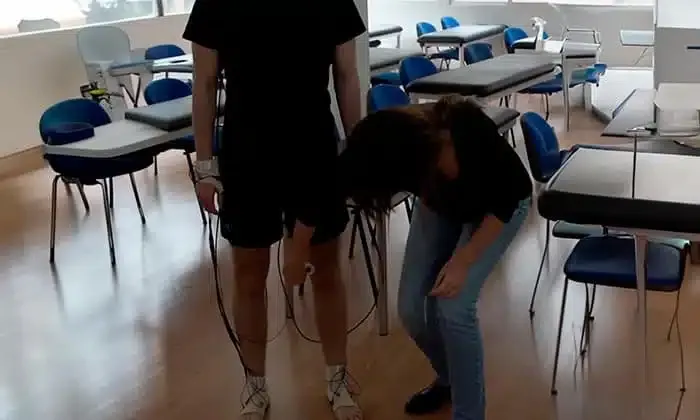
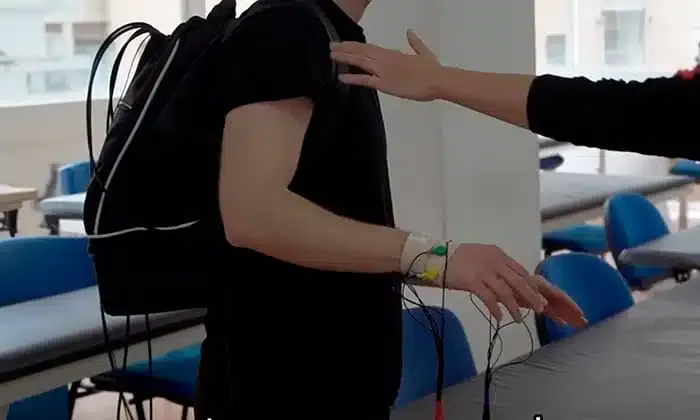
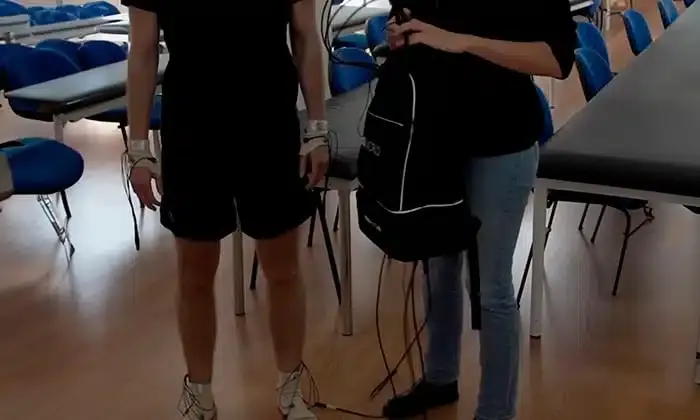
Can NESA® neuromodulation be combined with therapeutic exercise or during a rehabilitation process?
Yes, it is entirely possible and recommended to integrate NESA® neuromodulation with therapeutic exercises or physical rehabilitation processes. This combination enhances the benefits of both treatments, allowing for a more efficient recovery adapted to the specific needs of the patient.
Key aspects of successful integration:
Cable management: To ensure a comfortable and effective experience during exercise or retraining, it is essential to properly manage the cabling of the NESA® device. This is achieved by placing the technology inside the NESA® backpack, with the cabling passing discreetly inside, avoiding interference or disturbance during activity.
Flexibility and mobility: The correct placement of the device and cabling allows the patient to move freely, performing a wide range of therapeutic exercises without restrictions, maximizing the benefits of the combined treatment.
Benefits of the combination:
Therapeutic synergy: The simultaneous use of neuromodulation with specific physical activities creates a synergy that can accelerate the recovery process, improve treatment efficacy, and strengthen long-term results.
Adaptability: This flexible approach demonstrates the adaptability of NESA® neuromodulation to different therapeutic environments, allowing its integration into personalized and dynamic rehabilitation programs.
Conclusion:
The combination of NESA® Non-Invasive Neuromodulation with therapeutic exercise or retraining processes represents an advanced strategy for patient recovery and wellness. Intelligent cable management and the careful integration of technology into physical activity ensure an optimized therapeutic experience, highlighting the versatility and efficacy of NESA® neuromodulation as an adjunct to physical rehabilitation treatments.
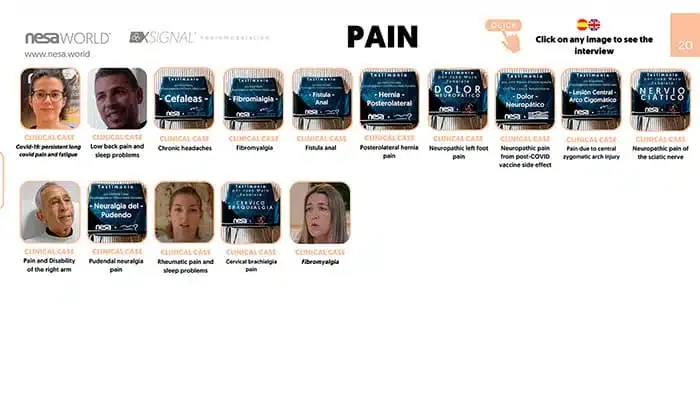
7 In what type of pain is there clinical experience and can I see clinical cases?
Chronic Pain:
Chronic pain, which persists beyond the normal course of an illness or for more than three months, can arise from a variety of medical conditions. Neuromodulation offers a non-invasive and effective solution, providing relief and improving the quality of life for patients suffering from this prolonged discomfort.
Neuropathic Pain:
Neuropathic pain, resulting from damage or dysfunction of the nervous system, is characterized by burning, stabbing, or electric shocks. Neuromodulation acts directly on the nervous system, helping to relieve these debilitating symptoms.
Chemical and Nociceptive Pain:
In addition to its efficacy in treating chronic and neuropathic pain, neuromodulation has also been shown to be useful in managing chemical and nociceptive pain. These types of pain, caused by the release of chemicals in response to tissue injury and the activation of pain receptors, respectively, can be effectively addressed, offering a complementary therapeutic option for patients seeking relief.
Watch video [ES]
Watch video [ES]
Watch video [ES]
Watch video [ES]
Watch video [ES]
Watch video [ES]
Watch video [ES]
Watch video [ES]
Watch video [ES]
We recommend viewing the FAQs in the clinical doubts area, where you can find examples of clinical reasoning for more clinical cases at the end of the section.

8 Is there any clinical experience with sleep dysfunctions, bruxism, and anxiety? and can I see clinical cases?
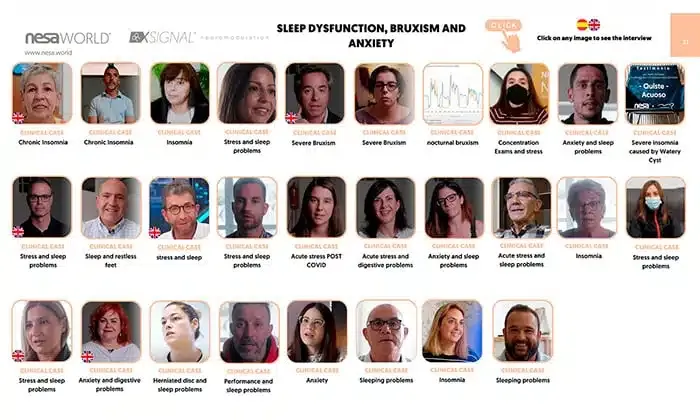
Watch video [ES]
Watch video [ES]
Watch video [ES]
Watch video [ES]
Watch video [ES]
We recommend viewing the FAQs in the clinical doubts area, where you can find examples of clinical reasoning for more clinical cases at the end of the section.
9 Are there patients with other pathologies?
Yes, there are patients with other pathologies.
Watch video [ES]
Watch video [ES]
Watch video [ES]
Watch video [ES]
We recommend viewing the FAQs in the clinical doubts area, where you can find examples of clinical reasoning for more clinical cases at the end of the section.
10 Do elite athletes use NESA® medical technology in their daily lives?
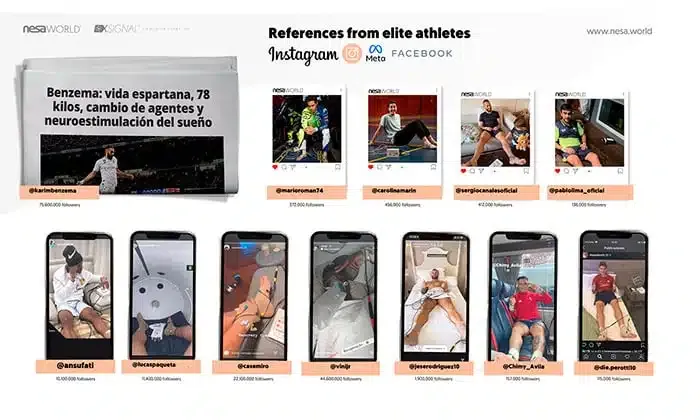


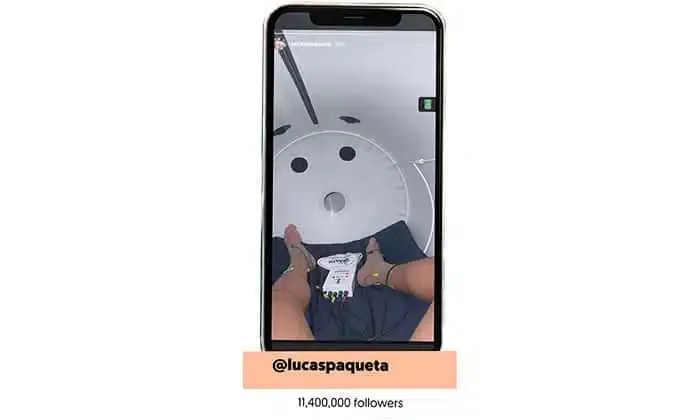
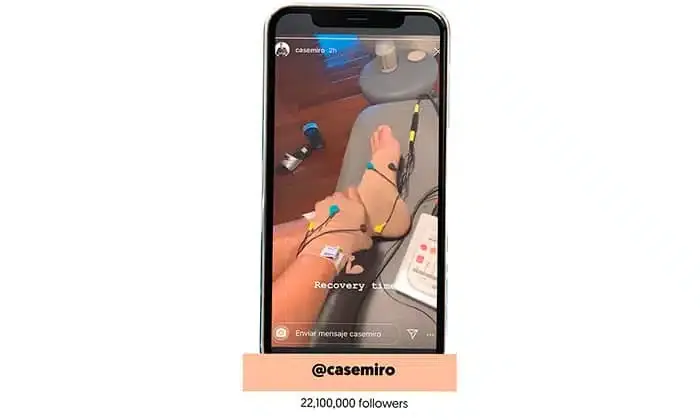
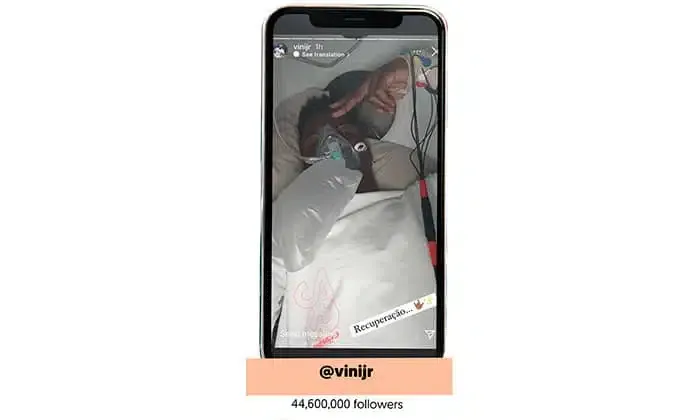
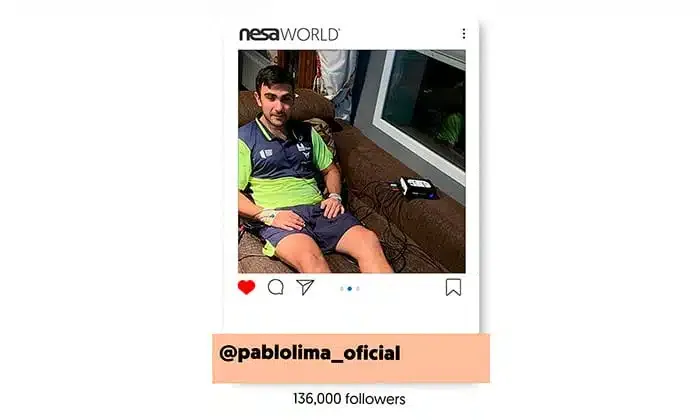
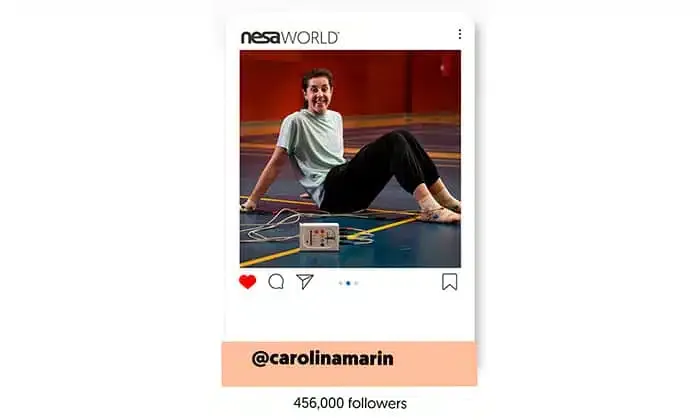

Yes, many elite athletes incorporate advanced medical technology into their daily routines to optimize their performance and well-being. This technology has become an indispensable component in enhancing sleep quality, aiding recovery from fatigue to attain peak performance, improving cardiac variability, and expediting recovery from musculoskeletal injuries, among other benefits.
Key benefits for elite athletes:
Improved Sleep Quality: Restful sleep is crucial for both physical and mental recovery, enabling athletes to perform at their highest level.
Fatigue Recovery: Medical technology helps reduce accumulated fatigue, ensuring that athletes can train and compete at the highest levels.
Peak performance: By optimizing physical and mental performance, athletes can reach and maintain their peak performance during important competitions.
Improved Cardiac Variability: This indicator of well-being and recovery of the autonomic nervous system is essential for managing stress, as reflected by biomarkers such as cortisol and amylase, and facilitating recovery.
Recovery from Musculoskeletal Injuries: Medical technology accelerates the injury recovery process, enabling a quicker and safer return to activity.
Watch video [ES]
Watch video [ES]
Watch video [ES]
11 Which types of healthcare professionals use NESA® medical technology?


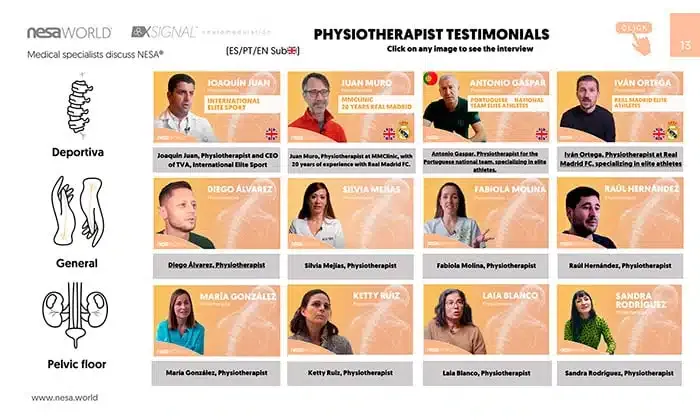

NESA® medical technology is widely adopted by a diverse range of health professionals, including doctors from various specialties, physiotherapists across all branches, psychologists, and other disciplines such as podiatrists, nurses, and speech therapists.
Testimonials from health professionals:
For those interested in gaining a deeper understanding of how NESA® medical technology is revolutionizing healthcare practices, we are providing access to a collection of over 900 interviews with healthcare professionals from around the world, all subtitled in English. These testimonials provide a comprehensive overview of the positive impacts of NESA® across various medical and therapeutic specialties.
Watch video [ES]
Watch video [ES]
Watch video [ES]
Watch video [ES]
Watch video [ES]
Watch video [ES]
Watch video [ES]
Watch video [ES]
Watch video [ES]
Watch video [ES]
Watch video [ES]
Watch video [ES]
12 What is the price of a NESA® Non-Invasive Neuromodulation session?
The cost of treatment sessions varies significantly based on several determining factors. These include the country of treatment, specific regions within that country where the technology is available, the nature of the professional service required (such as assessments and evaluations), the integration of various services associated with the treatment, the setting of the sessions, and the total number of sessions needed, among other factors.
To obtain an accurate estimate tailored to your specific clinical needs, we recommend contacting the most specialized clinic in your area of interest directly. The clinic's team of healthcare experts or the clinic's administration will likely be ready to provide a private consultation and guide you through their personalized services.
Recommended Questions to Ask:
- What would the first assessment session entail? Is it included, or is it charged separately? Will there be clinical follow-up at baseline, during
- , and at the end of the first 10 sessions?
- If I have multiple pathologies, will you collaborate with me to agree on clinical targets?
- Can I pay for the treatment voucher in instalments?
- If I am satisfied with the improvement, can I continue with another 10 treatments at a discounted rate?
13 Why can't the patient use the mobile phone during the session?
During therapeutic sessions, particularly those that involve microcurrents, it is crucial to minimize potential interferences that could impact the effectiveness of the treatment. Scientific studies indicate that electromagnetic waves emitted by mobile devices can disrupt critical medical equipment, including those used to record or monitor vital functions like electrocardiograms (Fernández-Chimeno & Silva, 2010; Periyasamy & Dhanasekaran, 2015). Although specific research on interference from mobile phones in microcurrent therapies is limited, it is prudent to avoid using mobile phones during sessions to ensure the highest treatment efficacy.
In addition, creating a relaxing environment is essential for enhancing therapeutic effects. Disconnecting from electronic devices, including mobile phones, helps foster such an environment, providing a calmer and more beneficial experience for the patient. Engaging in non-digital activities such as reading a book is recommended during this time.
References:
Fernández-Chimeno, M., & Silva, F. (2010). Mobile phones electromagnetic interference in medical environments: A review. 2010 IEEE International Symposium on Electromagnetic Compatibility. DOI: 10.1109/ISEMC.2010.5711291
Periyasamy, M., & Dhanasekaran, R. (2015). Evaluation of Electromagnetic Interference between Critical Medical Devices and New Generation Cellular Phones. Journal of Microwave Power and Electromagnetic Energy. DOI: 10.1080/08327823.2015.11689905
14 Why is it necessary to remove as much surface metal as possible during the session, and is it decisive?
During Applied Superficial Neuromodulation (NESA®) sessions, the correct transmission of low-frequency microcurrents through the skin is crucial. Metals in direct contact with the skin can alter electrical impedance, which is vital for the effectiveness of the treatment. Metals can change the skin’s electrical conductivity, distorting the signals emitted by the device and thereby reducing treatment efficacy.
To ensure effective microcurrent therapy, it is recommended to remove any jewelry or metallic devices in direct contact with the skin. This precaution allows for optimal transmission of the microcurrents, facilitating the desired therapeutic effects without interference. However, if some metallic items cannot be removed, it is not necessarily decisive for the overall success of the therapy.
References:
“Effect of Pressure on Skin-Electrode Impedance in Wearable Biomedical Measurement Devices” (2018) por Bahareh Taji, A. Chan, y S. Shirmohammadi. DOI: 10.1109/TIM.2018.2806950
“Dynamic Impedance Model of the Skin-Electrode Interface for Transcutaneous Electrical Stimulation” (2015) por J. L. Vargas Luna, M. Krenn, Jorge Armando Cortés Ramírez, y W. Mayr.” DOI: 10.1371/journal.pone.0125609
“Lennox, A., Shafer, J., Hatcher, M., Beil, J., & Funder, S. J. (2002). Pilot study of impedance-controlled microcurrent therapy for managing radiation-induced fibrosis in head-and-neck cancer patients” International Journal of Radiation Oncology, Biology, Physics, 54(1), 23-34. DOI: 10.1016/S0360-3016(02)02898-5